
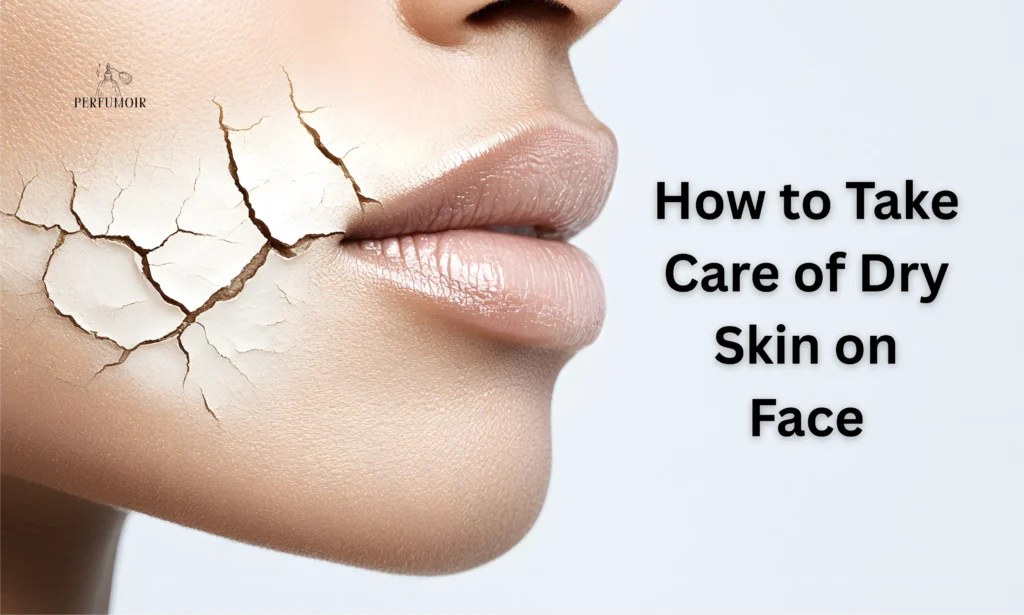
Every winter for eight years, my face transformed into a flaky mess. By mid-December, I’d have visible patches of peeling skin on my cheeks and forehead. Foundation clung to dry patches, making my makeup look cakey and awful. I’d slather on thick creams hoping for relief, but the flakiness persisted.
Then I moved from humid Houston to dry Denver. Within two weeks, my face looked like it had been attacked by sandpaper. What I thought was just winter dryness was actually chronic dry skin exacerbated by climate. My normal routine completely failed in the new environment.
Table of Contents
Why Your Face Is So Dry
Before fixing dry skin, you need to understand what causes it. Dry skin happens when skin doesn’t retain sufficient moisture, occurring as a result of frequent bathing, harsh soaps, aging, or certain medical conditions. Even those with dry skin can benefit from customizing a routine for specific skin needs.
Your skin naturally loses moisture as you age. By around age 60, most people have dry skin. But younger people experience dry facial skin for multiple reasons including environmental exposure to cold and dry climates, health conditions like diabetes or thyroid disease, and medications such as statins or diuretics.
The key issue is your skin barrier. When this protective outer layer becomes damaged or compromised, moisture escapes and irritants enter more easily. This creates the tight, rough feeling characteristic of dry skin.
My dermatologist explained that Denver’s low humidity (often 20% or less in winter) was pulling moisture directly from my skin faster than I could replace it. My Houston routine worked in 60% to 80% humidity but completely failed in desert-dry conditions.
The Cleansing Mistake That Makes Everything Worse
Most people with dry skin unknowingly worsen their condition through improper cleansing. I was one of them.
Dermatologists recommend limiting baths and showers to five to ten minutes, using warm water. Hot water can wash away natural oils. I’d been taking long, steaming showers thinking the steam would hydrate my skin. Wrong. The hot water was stripping my natural oils and damaging my moisture barrier.
Use gentle cleanser only where you need it. Apply enough cleanser to remove dirt and oil but avoid using so much that you see thick lather. I was lathering up my entire face twice daily with foaming cleanser. Foaming cleansers contain surfactants that strip oil, which is terrible for already dry skin.
Switch to cream or oil-based cleansers specifically formulated for dry skin. These cleanse without stripping natural oils your skin desperately needs.
After bathing, gently pat your skin with a clean, dry towel. Rubbing your skin dry can irritate extremely dry skin. I used to scrub my face dry with a towel, which only damaged my skin barrier further.
The Moisturizer Strategy
Here’s what nobody tells you about moisturizers for dry skin. Application timing matters as much as the product itself.
Moisturize as soon as you finish bathing, while your skin is damp. This traps water on your skin’s surface before it evaporates. I used to wait 10 to 15 minutes after washing my face before applying moisturizer. By then, the water had completely evaporated, and I was just putting cream on already-dry skin.
Now I apply moisturizer within 60 seconds of washing my face while it’s still slightly damp. This one change improved my hydration dramatically.
Ointments and creams add more moisture to skin and are more effective than lotions. Look for cream or ointment that contains ceramides, hyaluronic acid, or glycerin.
For daytime, I use CeraVe Moisturizing Cream in the tub. It’s thick, contains ceramides and hyaluronic acid, and creates a protective barrier without feeling greasy. Costs $20 for 16 ounces that lasts four months.
For nighttime, I layer a facial oil under my moisturizer. The Ordinary 100% Organic Cold-Pressed Rose Hip Seed Oil costs $10 and lasts six months. Three drops mixed with my night cream provides intense overnight hydration.
Building the Complete Morning Routine
After four months of testing, here’s the morning routine that transformed my chronically dry face.
Step 1: Lukewarm Water Rinse
In the morning, I don’t use cleanser unless my skin feels oily or dirty. Just splash with lukewarm water and pat dry.
Step 2: Hydrating Toner
Apply a hydrating toner while skin is still damp. I use Heritage Store Rosewater & Glycerin spray. It adds a layer of hydration and preps skin for serum.
Step 3: Hyaluronic Acid Serum
Hyaluronic acid attracts and holds up to 1000 times its weight in water. Apply to damp skin so it has water to grab onto.
The Ordinary Hyaluronic Acid 2% + B5 costs $7. Three drops cover my entire face. This step alone made a visible difference in plumpness and hydration.
Step 4: Moisturizer (Within 60 Seconds)
Apply your cream moisturizer immediately while serum and toner are still damp. This layering technique locks in multiple levels of hydration.
Step 5: SPF (Non-Negotiable)
Minimize sun exposure, which evaporates oils and moisture from your skin. Even in winter, even indoors, wear sunscreen. UV damage breaks down your skin barrier.
I use EltaMD UV Daily Broad-Spectrum SPF 40. It’s moisturizing enough to work as final hydration layer without feeling heavy. Expensive at $38 but completely worth it.
The Evening Routine
Evening routines can be more intensive because your skin repairs itself overnight.
Step 1: Oil Cleanser or Cleansing Balm
If you wear makeup or sunscreen, start with an oil-based cleanser to dissolve these products. Farmacy Green Clean Makeup Removing Cleansing Balm works beautifully for this purpose.
Step 2: Cream Cleanser
Follow with your gentle cream cleanser to remove any remaining residue. Double cleansing ensures thorough cleaning without harsh scrubbing.
Step 3: Treatment (2-3 Times Weekly)
On alternate nights, use a gentle chemical exfoliant or treatment product. I use lactic acid 5% twice weekly to remove dead skin buildup without physical scrubbing.
Physical scrubs are terrible for dry skin. They create micro-tears and damage your already compromised barrier.
Step 4: Facial Oil
Apply 3 to 5 drops of facial oil to damp skin. Gently press into skin rather than rubbing.
Step 5: Rich Night Cream
Layer a thicker night cream over your facial oil. I use First Aid Beauty Ultra Repair Face Moisturizer. It’s intensely hydrating and helps repair my moisture barrier overnight.
Step 6: Occlusive (For Extremely Dry Skin)
If your skin is severely dry, apply a thin layer of petroleum jelly or Aquaphor over your moisturizer. This creates an occlusive barrier preventing moisture loss overnight. I do this twice weekly on particularly dry nights.
Environmental Changes That Made a Difference
Beyond products, environmental modifications dramatically improved my dry skin.
Use a humidifier set to around 60% to replenish the skin’s top layer. I run one in my bedroom nightly. This single change reduced facial dryness by about 40%.
Drink plenty of water. While water alone won’t cure dry skin, dehydration worsens it. I aim for 80 ounces daily.
Lower your thermostat slightly. Overheated indoor air strips moisture. I keep my apartment at 68°F instead of 72°F during winter.
What Doesn’t Work (Despite Popular Belief)
After months of testing, here’s what failed to improve my dry facial skin.
Drinking excessive water beyond normal hydration doesn’t cure dry skin. The issue is moisture retention, not internal hydration.
Over-exfoliating makes dry skin worse by stripping away more than expected. I learned this by using chemical exfoliants daily. Twice weekly is plenty.
Face oils alone without moisturizer aren’t enough. Oils seal in moisture but don’t provide hydration themselves. You need both.
When to See a Dermatologist
If dry skin sticks around, a dermatologist can speed up the process or identify an underlying cause. See a doctor if your dry skin appears wet and red, is itchy enough to interfere with daily activities, doesn’t improve after 2 to 3 weeks of proper care, or is persistent and pink which could indicate precancerous cells.
I saw a dermatologist after my DIY efforts failed for three months. She diagnosed mild eczema contributing to my dryness and prescribed a gentle topical that resolved persistent patches within two weeks.
Conclusion
Taking care of dry facial skin requires gentle cleansing with cream-based products, immediate moisturizing while skin is damp, layering hydrating products, using humidifiers, and protecting your skin barrier rather than stripping it.
The complete routine costs roughly $130 for products lasting 3 to 6 months. Results appear within 1 to 2 weeks of consistent use, with dramatic improvement by 4 to 6 weeks.
My face still gets dry in winter. That’s unavoidable in Denver’s climate. But proper care reduced flakiness by 90%, eliminated the tight feeling, and made my skin comfortable again. That’s the realistic goal.