A wellness check is a way to see if someone is safe and doing okay. It can be done in many places, like at home, school, or work. The goal is to check on a person’s physical and mental health. It is usually friendly and supportive. Wellness checks can involve a quick conversation, a call, or a visit to make sure everything is fine. They are not meant to judge or control anyone.
Wellness checks matter a lot in daily life and workplaces. At work, they help managers know if employees are struggling or need support. In daily life, they can alert family or friends if someone needs help. When done respectfully, wellness checks create a safer and caring environment. They also prevent bigger problems by addressing small issues early.
Table of Contents
Purpose of a Wellness Check
The main purpose of a wellness check is to ensure a person is safe and healthy. It helps identify any physical, emotional, or mental issues early. A simple check-in can prevent serious problems before they become bigger. It also gives people a chance to speak up if they are struggling.
Wellness checks are important for noticing changes in behavior or health. For example, if someone seems unusually tired, stressed, or withdrawn, a check can highlight the problem. Early attention can make a big difference in recovery or support. It also helps build trust between the person checking and the person being checked.
At workplaces, wellness checks support employees’ well-being. They allow managers to offer help or resources if needed. Regular check-ins can improve productivity, reduce stress, and create a safer work environment. They are a sign that the organization cares about its team.
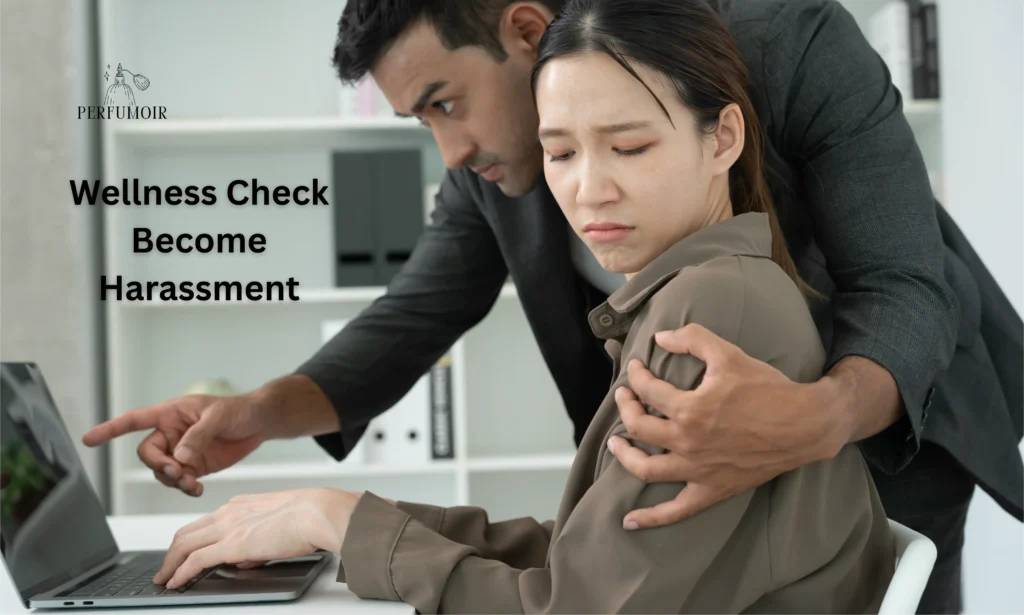
Signs a Wellness Check Is Becoming Harassment
- Excessive Frequency: Constant calls, messages, or visits can make a person feel stressed or watched. When check-ins happen too often, they stop being supportive and can feel controlling, affecting daily life and peace of mind.
- Ignoring Personal Boundaries: Asking questions that are too personal or unrelated to safety can make someone uncomfortable or anxious. Respecting limits is essential for a wellness check to stay helpful and respectful.
- Persistent Pressure: Pressuring someone to respond immediately or act in a certain way during a check can create unnecessary stress. Wellness checks should remain gentle, supportive, and without forcing action.
- Public Scrutiny: Questioning someone in front of colleagues, friends, or family can be embarrassing. Sharing private details publicly crosses a line and can damage trust and relationships.
- Threats or Intimidation: Using warnings, ultimatums, or potential consequences to enforce a wellness check turns it into harassment. Support should never come with fear or coercion.
- Disregard for Feedback: Ignoring a person’s request to reduce the frequency or intensity of check-ins shows a lack of respect. Listening and adjusting to feedback is key to keeping wellness checks helpful and safe.
Common Examples of Harassing Behavior
Excessive Contact and Monitoring
Constantly calling, texting, or emailing someone, or closely tracking their activities, can feel overwhelming and stressful. This includes checking locations, personal accounts, or social media without any clear reason. Such behavior goes beyond a normal wellness check and can make the person feel anxious, controlled, or unsafe.
Intrusive or Personal Questioning
Asking deeply personal questions or discussing sensitive issues in front of others can embarrass, shame, or intimidate someone. Public scrutiny or criticism reduces trust and discourages honest communication. Wellness checks are most effective when done privately, respectfully, and with a focus on care rather than judgment, ensuring the person feels safe to share concerns.
Disregarding Boundaries
Continuing to check on someone after they ask for space or privacy shows a lack of respect. Persistent requests, pressure to respond, or making the person feel guilty can be stressful, intrusive, and emotionally draining. Ignoring personal limits can turn a supportive check into harassment and harm the relationship between the person checking and the individual being checked.
Violation of Privacy and Confidentiality
Sharing private information with colleagues, family, or friends without consent can damage relationships and trust. This includes revealing personal concerns, health information, or emotional struggles. Confidentiality is essential in wellness checks. Violating it can make the person feel exposed, unsafe, or humiliated, which defeats the purpose of a supportive wellness check.
How to Address Excessive Wellness Checks
If you feel a wellness check is becoming excessive, the first step is to communicate clearly. Politely explain your concerns and set boundaries. Let the person know what type of check-ins feel supportive and what feels intrusive. Clear communication helps prevent misunderstandings and shows that you value both your well-being and their intentions.
Documenting incidents is also important. Keep a record of calls, messages, or visits that feel excessive. Note the time, date, and nature of each check-in. This information can be helpful if you need to escalate the matter or seek advice later. Documentation creates a clear picture of the pattern of behavior.
If the issue continues, consider escalating it to HR, management, or a trusted authority. Present your concerns calmly and provide the documented incidents. HR or supervisors can help mediate the situation, ensuring wellness checks remain respectful and within appropriate limits. In such cases, people want to know their right to decline a Medicare wellness visit.
FAQs
Can wellness checks be done remotely
Yes, wellness checks can be done through calls or video chats. Remote checks should still respect privacy, boundaries, and frequency to avoid feeling intrusive.
Are wellness checks mandatory in all workplaces
No, not all workplaces require wellness checks. They are usually encouraged in roles where safety or mental health support is a priority.
What should I do if I feel unsafe during a wellness check
If a check makes you feel unsafe, remove yourself from the situation if possible. Report the incident to HR, a manager, or the appropriate authority immediately.
Can wellness checks be done for mental health support only
Yes, wellness checks can focus on mental health. They can provide support, guidance, or resources for stress, anxiety, or emotional well-being without intruding on personal life.
How can managers ensure wellness checks are respectful
Managers should set clear guidelines, respect privacy, avoid excessive contact, and listen to feedback. Training on proper communication and boundaries is essential to prevent harassment.
Conclusion
Wellness checks are meant to support and ensure safety. They become harassment when boundaries are ignored, contact is excessive, or privacy is violated. Clear communication, respect, and proper limits keep checks helpful. Knowing your rights and speaking up when needed protects both employees and individuals. A balanced approach ensures wellness checks remain caring, safe, and effective.