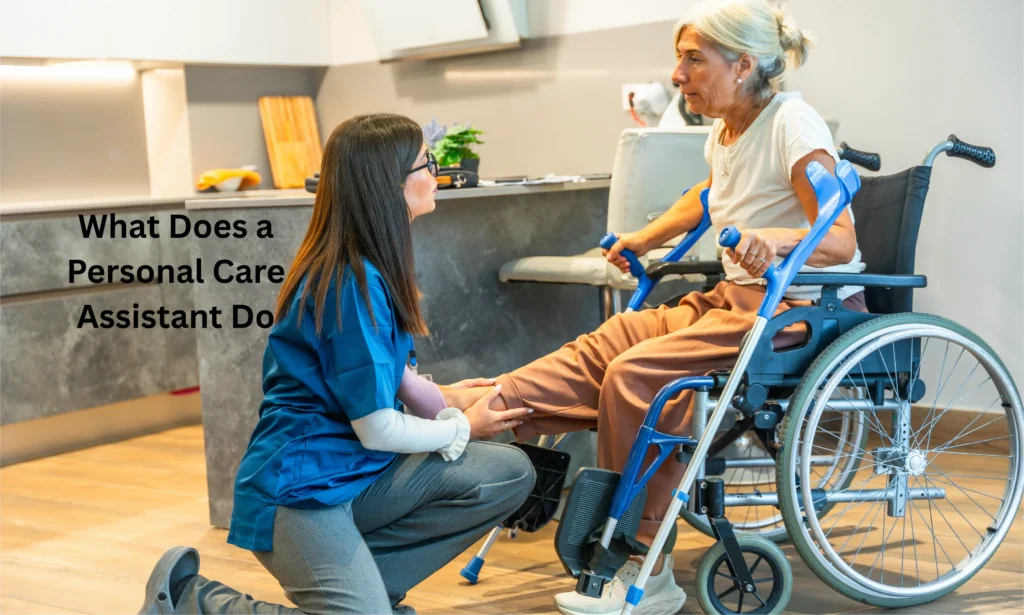
A personal care assistant helps people with daily tasks they cannot manage alone. This support includes bathing, dressing, and grooming. It also covers help with eating and moving around. Personal care assistants follow care plans. They focus on comfort and safety. They support independence at home. They also provide companionship. This builds trust and emotional support. Their role is practical and personal. It helps people live with dignity.
This role is important in daily life because it supports routine and stability. Many people depend on consistent care. Personal care assistants reduce stress for families. They help loved ones stay at home longer. This improves quality of life. Regular support prevents small issues from becoming serious problems.
Table of Contents
Supporting Personal Hygiene
Supporting personal hygiene is a key responsibility of a personal care assistant. It includes help with bathing, showering, and grooming. This support ensures cleanliness and comfort. It also helps maintain dignity. Personal care assistants follow routines based on individual needs.
Good hygiene supports physical health. It reduces the risk of infections and skin problems. Regular care helps identify issues early. This can include rashes or wounds. Early attention prevents complications.
Personal hygiene also affects mental well being. Feeling clean improves confidence and mood. It helps people feel normal and respected. This is especially important for those who depend on daily support.
Personal care assistants provide hygiene support with care and privacy. They respect personal preferences. They work gently and professionally. This builds trust and makes daily care easier.
Helping with Mobility and Movement
Helping with mobility and movement is a key part of personal care support. It includes assisting with walking, standing, sitting, and sometimes climbing stairs. Personal care assistants guide movements carefully. They make sure each step is safe. This reduces the risk of falls, slips, or other injuries. Their support gives individuals confidence to move more.
Mobility support also helps maintain overall health. Regular movement improves blood circulation, muscle strength, and flexibility. It prevents stiffness and joint pain. Even small daily activities like standing from a chair or stretching make a difference. Consistent support keeps the body active and stronger over time.
Personal care assistants use proper techniques during every movement. They follow safety guidelines and sometimes use equipment like walkers, canes, or wheelchairs. This protects both the individual and the assistant. Careful handling ensures comfort and prevents strain or accidents. Sometimes families feel overwhelmed by frequent visits, which raises concerns about repeated wellness checks crossing boundaries.
Managing Meals and Nutrition
Managing meals and nutrition is an important responsibility of a personal care assistant. It involves planning, preparing, and serving meals according to individual needs. Personal care assistants make sure meals are balanced and healthy. They also consider dietary restrictions, allergies, and preferences to support overall well-being.
Proper nutrition supports energy and health. It helps maintain weight, strengthens the immune system, and improves recovery from illness. Regular meals at consistent times create routine and stability, which is important for both physical and mental health.
Personal care assistants may also help with feeding when needed. They ensure the individual eats safely, especially if chewing or swallowing is difficult. They encourage independence while providing support when necessary. Small reminders and assistance make mealtime easier and more comfortable.
Offering Emotional and Social Support
Offering emotional and social support is a vital part of a personal care assistant’s role. It involves listening, showing empathy, and providing companionship. Personal care assistants help individuals feel valued and understood. They offer encouragement and comfort during difficult moments, which boosts confidence and mood.
Social interaction is important for mental well-being. Personal care assistants engage in conversations, accompany individuals to social activities, or help connect with family and friends. This reduces feelings of loneliness and isolation. Regular interaction keeps the mind active and promotes a positive outlook.
Emotional support also helps in managing stress and anxiety. Personal care assistants recognize signs of distress and respond calmly. They provide reassurance and practical advice when needed. This creates a sense of safety and trust.
Household Tasks and Light Cleaning
Household tasks and light cleaning are often part of a personal care assistant’s duties. This includes tidying rooms, washing dishes, and doing laundry. Keeping the living space clean and organized supports comfort and safety. It also helps maintain a healthy environment.
Light cleaning prevents accidents and health issues. Clutter and spills can cause falls or injuries. Personal care assistants make sure floors, surfaces, and common areas are safe and hygienic. This creates a more comfortable and stress-free living space.
They may also help with shopping and meal preparation. This ensures necessary supplies are available and meals are ready on time. Organizing household tasks helps individuals focus on daily routines without worrying about chores.
Performing household tasks with care and respect makes daily life easier for the person receiving support. It also reduces stress for family members. A clean and orderly home improves overall well-being and comfort.
Communication with Family and Healthcare Providers
Communication with family and healthcare providers is an important part of a personal care assistant’s role. They keep everyone informed about the individual’s daily routine, health changes, and needs. Clear updates help families feel confident and involved in care decisions.
Personal care assistants also report medical concerns to healthcare providers. This can include changes in mood, appetite, mobility, or new symptoms. Timely communication ensures proper care and prevents small issues from becoming serious problems.
They may help schedule appointments or coordinate follow-ups with doctors, therapists, or other professionals. This keeps care organized and consistent. Accurate information sharing helps providers make informed decisions.
Work Settings and Who They Help
Personal care assistants work in different settings based on the needs of the individuals they support. Many work in private homes, helping people maintain independence and comfort. Others work in assisted living facilities, nursing homes, or healthcare centers. The environment often determines the type of tasks they perform.
They help a wide range of people. Elderly individuals often need support with daily routines and mobility. People with disabilities may require assistance with personal care, movement, and household tasks. Some individuals recovering from illness or surgery also benefit from their help.
Personal care assistants adapt to each setting. In homes, they focus on individualized care and companionship. In facilities, they may assist multiple individuals and coordinate with healthcare staff.